

Root Canal Therapy in Dundee, MI: How Modern Dentistry Saves Natural Teeth
A sudden toothache can be more than just an inconvenience. Persistent pain, sensitivity, or swelling may be your body’s way of signaling that something deeper is happening inside your tooth. Fortunately, modern dentistry offers effective solutions that can relieve discomfort while preserving your natural smile. Root canal therapy is one of the most trusted treatments available for saving teeth that have become infected or severely damaged.
At Ballpark Family Dental in Dundee, MI, root canal treatment is designed around patient comfort, education, and long-term oral health. Many people feel nervous when they hear the words “root canal,” but advancements in dental technology and techniques have made the procedure much more comfortable and predictable than many patients expect.
In this guide, we’ll explain what root canal therapy is, why it may be needed, what the process involves, how it protects your smile, and how it can help you avoid tooth loss and more complex treatments in the future.
What Is Root Canal Therapy?
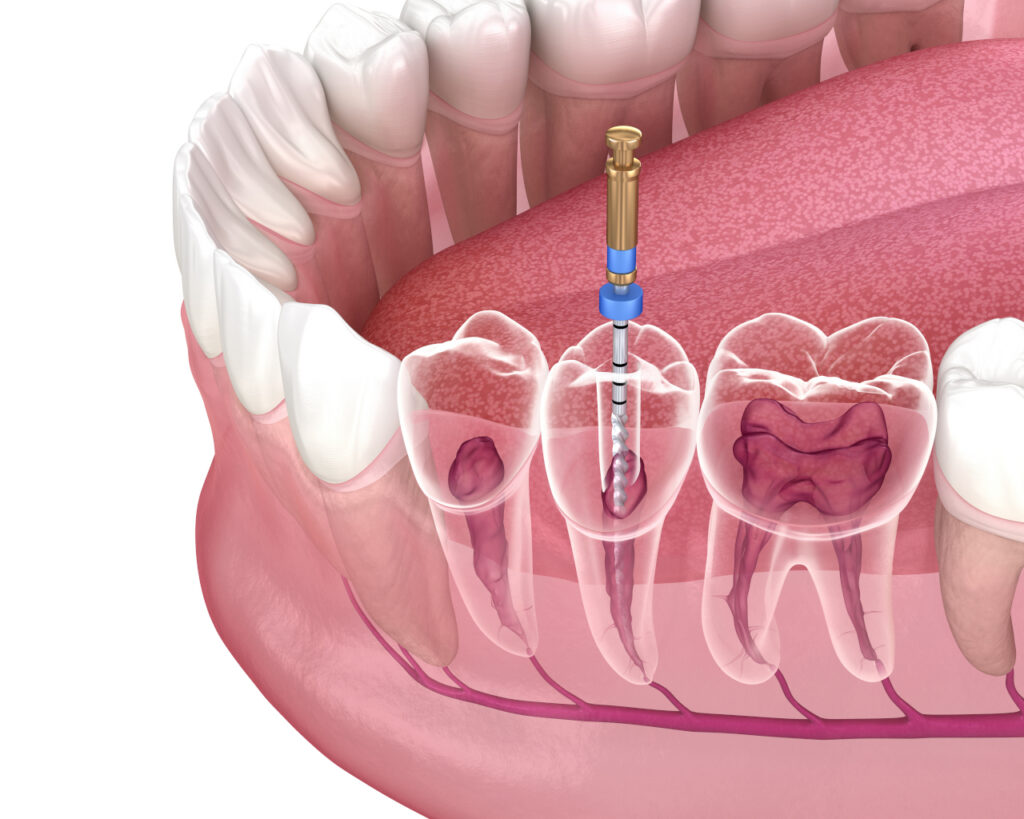
Inside every tooth is a soft area called the pulp, which contains nerves, blood vessels, and connective tissue. While the outer layers of the tooth are strong and protective, the inner pulp can become damaged due to deep decay, cracks, trauma, or repeated dental procedures.
When bacteria reach the inside of the tooth, an infection can develop. Without treatment, the infection may spread, causing pain, swelling, and damage to surrounding tissues.
A root canal procedure removes the infected or damaged pulp, cleans and disinfects the inside of the tooth, and seals it to prevent future infection. The goal is simple: preserve your natural tooth and restore it so it can continue functioning normally.
Rather than removing a tooth, root canal therapy allows patients to keep their own tooth structure, which is often the best option for maintaining long-term oral health.
Common Signs You May Need a Root Canal
Not every tooth problem requires root canal treatment, but certain symptoms may indicate that the inside of your tooth is affected. Common warning signs include:
- Persistent tooth pain or pressure
- Sensitivity to hot or cold that lingers
- Pain when biting or chewing
- Swollen or tender gums around a tooth
- A recurring pimple or bump on the gums
- Tooth discoloration
- Deep decay visible during an examination
Sometimes, an infected tooth may not cause noticeable pain right away. Regular dental exams are important because dentists can identify problems before they become more serious.
If you experience ongoing discomfort, scheduling an evaluation at Ballpark Family Dental can help determine whether root canal therapy or another treatment option is appropriate.
Why Do Teeth Need Root Canals?
Several dental issues can lead to the need for root canal therapy. The most common causes include:
Deep Tooth Decay
Cavities begin on the outer surface of the tooth. However, if decay is not treated early, it can continue spreading deeper until it reaches the pulp.
Once bacteria enter the inner portion of the tooth, a simple filling may no longer be enough. Root canal treatment may be necessary to remove the infection and save the tooth.
Cracked or Damaged Teeth
A crack in a tooth can allow bacteria to reach the pulp. Even a small fracture can create an opening for infection, especially when it extends below the surface.
Treating damaged teeth quickly can prevent the problem from worsening and may help avoid extraction.
Dental Trauma
An injury from sports, accidents, or other impacts can damage the nerve inside a tooth. In some cases, the tooth may appear normal on the outside while the internal structure has been affected.
A dental evaluation can determine whether the tooth can heal naturally or requires root canal therapy.
The Root Canal Treatment Process
Many patients are surprised to learn that a root canal is similar to getting a filling. The main difference is that the treatment focuses on cleaning the inside of the tooth rather than only repairing the outer surface.
The process typically includes several steps:
Examination and Diagnosis
Before treatment begins, your dentist will evaluate the tooth, discuss your symptoms, and use digital imaging if needed. This helps determine the extent of infection and whether root canal therapy is the right solution.
Removing the Infection
During the procedure, the dentist carefully removes the damaged pulp from inside the tooth. The area is thoroughly cleaned and disinfected to eliminate bacteria.
Sealing the Tooth
Once the tooth is cleaned, the inside is sealed with a special material designed to prevent future infection.
Restoring the Tooth
After a root canal, the tooth may need additional protection. Many treated teeth receive a dental crown to restore strength, appearance, and function.
A crown helps protect the tooth from cracking and allows it to continue working like a natural tooth.
Does a Root Canal Hurt?
One of the biggest misconceptions about root canals is that they are extremely painful. In reality, modern root canal therapy is designed to relieve pain rather than cause it.
With today’s dental techniques, most patients experience little discomfort during the procedure. Local anesthesia helps keep the area numb, and many patients compare the experience to receiving a regular filling.
After treatment, some mild tenderness or sensitivity may occur for a few days. This is usually temporary and can often be managed with common pain relief methods recommended by your dentist.
The discomfort caused by an untreated infection is typically much worse than the treatment itself.
Root Canals vs. Tooth Extraction and Dental Implants
When a tooth becomes severely damaged, patients often wonder whether they should save the tooth with a root canal or remove it and consider a replacement option like a dental implant.
Whenever possible, preserving your natural tooth is usually preferred. Natural teeth provide important benefits, including:
- Maintaining natural chewing function
- Supporting surrounding teeth
- Preserving jawbone stimulation
- Avoiding additional restorative procedures
However, some teeth may be too damaged to save. In those situations, dental implants can provide an excellent long-term replacement option.
Dental implants replace missing teeth with a strong, natural-looking restoration that restores both appearance and function. At Ballpark Family Dental, treatment recommendations are based on your unique oral health needs and long-term goals.
Caring for a Tooth After Root Canal Treatment
A root canal-treated tooth can last many years with proper care. Maintaining the health of your restored tooth requires the same habits used to protect natural teeth.
Important steps include:
- Brush twice daily with fluoride toothpaste
- Floss regularly
- Attend routine dental checkups
- Avoid chewing extremely hard objects
- Address signs of discomfort early
Regular dental visits allow your dentist to monitor your restoration and ensure your smile remains healthy.
Benefits of Root Canal Therapy
Choosing root canal therapy provides several important benefits:
Preserves Your Natural Smile
Saving your natural tooth helps maintain your existing smile and avoids unnecessary tooth removal.
Restores Normal Function
After restoration, a treated tooth can often function just like any other tooth, allowing you to eat and speak comfortably.
Prevents Infection From Spreading
Removing infection helps protect surrounding teeth, gums, and supporting bone.
Provides a Long-Term Solution
With proper care, a root canal-treated tooth can remain healthy for many years.
Frequently Asked Questions About Root Canals
How long does a root canal take?
Treatment time varies depending on the tooth and complexity of the case. Some procedures can be completed in one visit, while others may require additional appointments.
Are root canals safe?
Yes. Root canal therapy is a well-established dental procedure used successfully for many years to save infected teeth.
Can children need root canals?
Yes. In certain situations, children may need root canal treatment to preserve damaged primary or permanent teeth.
What happens if I delay treatment?
Ignoring an infected tooth can allow the infection to worsen, potentially leading to swelling, abscess formation, or tooth loss.
Will I need a crown after a root canal?
Many root canal-treated teeth benefit from a crown because it strengthens and protects the tooth structure.
Choosing Ballpark Family Dental for Root Canal Treatment in Dundee, MI
At Ballpark Family Dental, our goal is to provide comfortable, effective treatment that protects your oral health for years to come. We understand that dental procedures can feel overwhelming, which is why our team takes the time to explain every step and answer your questions.
Whether you need relief from tooth pain, treatment for an infection, or guidance about preserving a damaged tooth, our team provides personalized care focused on your comfort and long-term results.
Root canal therapy can help you keep your natural tooth, restore your smile, and avoid more extensive dental procedures.
Don’t let tooth pain disrupt your life. Contact Ballpark Family Dental in Dundee, MI at (734) 529-1100 to schedule an appointment and learn how root canal therapy can protect your smile.