

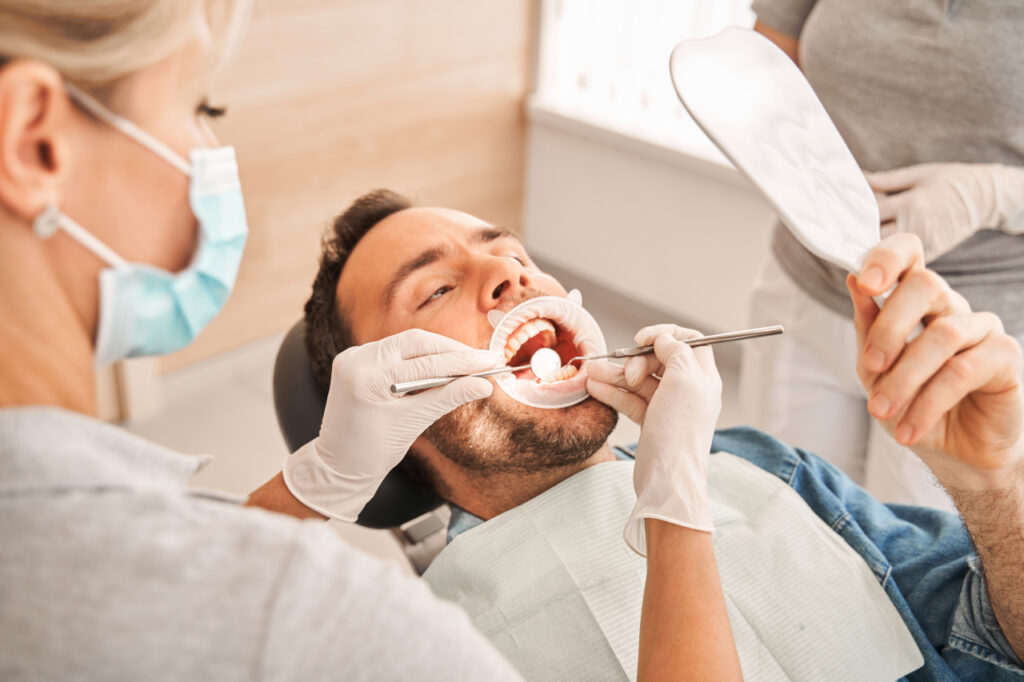
Knocked-Out or Damaged Tooth: Your Dental Emergency Action Plan
A dental injury can happen in seconds. A fall, collision, sports accident, or unexpected impact can leave you staring at a broken, loosened, displaced, or completely knocked-out tooth. In that moment, knowing what to do can help you stay focused and protect the injured area while you arrange professional care.
Dental trauma is not one-size-fits-all. A tooth may be chipped on the surface, fractured deeply, moved out of position, or completely removed from its socket. Depending on the injury, treatment may involve stabilization, restorative care, a dental crown, root canal therapy, or another approach. Ballpark Family Dental in Dundee, MI provides restorative dental services that can address many types of damaged teeth.
What Counts as Dental Trauma?
Dental trauma refers to an injury involving the teeth, gums, lips, jaw, or other structures of the mouth. Some injuries are obvious immediately, while others may initially appear minor.
Common dental injuries include:
- A chipped tooth
- A cracked or fractured tooth
- A loose permanent tooth
- A tooth pushed sideways or deeper into its socket
- A permanent tooth knocked completely out
- Bleeding or injured gum tissue
- Damage to an existing crown or filling
- A tooth that becomes dark after an impact
- Jaw or facial injuries that also involve the teeth
Because the extent of an injury may not be visible from the outside, it is wise to contact a dental professional after significant trauma. A tooth that looks intact can still have damage to the pulp, root, or surrounding supporting structures.
What Should You Do If a Permanent Tooth Is Knocked Out?
A knocked-out permanent tooth is a time-sensitive dental emergency. Prompt professional attention is important because the condition of the tooth and the tissues around it can influence treatment possibilities.
If you can find the tooth, handle it carefully by the crown, which is the portion normally visible in the mouth. Avoid touching or scrubbing the root.
If the tooth is dirty, gently rinse it without scraping or removing attached tissue. Do not use harsh cleaning products.
Then contact a dental professional immediately for instructions and arrange care as quickly as possible. If you are unsure what to do with the tooth while traveling to the dentist, ask the dental office for guidance when you call.
Most importantly, do not wrap the tooth in tissue and forget about it. Handle it carefully and focus on obtaining prompt professional care.
What If a Baby Tooth Gets Knocked Out?
A knocked-out primary, or baby, tooth is handled differently from a permanent tooth. Parents should not attempt to place a baby tooth back into the socket because doing so could affect the developing permanent tooth underneath.
Instead, contact a dentist for guidance. The dentist may need to evaluate the mouth for other injuries, check the surrounding teeth, and make sure the child’s gums and supporting tissues are healthy.
Ballpark Family Dental provides children’s dentistry for families in Dundee, which can be helpful when an unexpected dental injury affects a younger member of the family.
What If the Tooth Is Loose but Still in the Mouth?
A permanent tooth can become loose or displaced without being completely knocked out. It may appear longer than the neighboring teeth, pushed inward, or shifted to one side.
Avoid repeatedly touching or wiggling the tooth to see how loose it is. Also, avoid biting on it. Contact a dentist promptly so the position and supporting tissues can be evaluated.
Depending on the type of injury, the dentist may need to stabilize the tooth or determine whether additional treatment is necessary. Dental imaging can also help assess the root and surrounding bone.
What Should You Do With a Chipped or Broken Tooth?
If a piece of tooth breaks away during an accident, rinse your mouth gently with lukewarm water. If you locate the fragment, place it in a clean container and bring it to the dentist.
If bleeding is present, apply gentle pressure with clean gauze. A cold compress placed against the outside of the face may help with swelling after an impact.
Until you can be evaluated, avoid chewing on the damaged tooth. A tooth that has already lost structure may be more vulnerable to additional fracture.
Treatment varies significantly. A small chip may need a relatively simple repair, while a larger fracture may require a crown. If the pulp is injured, root canal therapy may be necessary to preserve the tooth.
How Do You Know Whether the Tooth’s Nerve Was Injured?
The pulp inside a tooth contains nerves and blood vessels. Trauma can damage this tissue even when the outside of the tooth does not appear severely broken.
Warning signs may include persistent pain, lingering temperature sensitivity, tenderness when biting, or gradual darkening of the tooth. However, pulp damage does not always create immediate symptoms.
For that reason, follow-up may be important after significant dental trauma. A dentist can monitor the tooth and look for changes that may indicate the need for treatment.
Benefits of Prompt Care for a Knocked-Out or Damaged Tooth
- Protects treatment options: Prompt evaluation may provide more options for managing certain dental injuries.
- Identifies hidden damage: Dental imaging and examination can reveal root, pulp, bone, or supporting tissue injuries that may not be visible.
- Helps preserve natural teeth: When possible, early treatment may help stabilize or restore an injured tooth.
- Reduces additional trauma: Professional guidance can help you avoid chewing or handling the tooth in ways that could worsen damage.
- Addresses pain and sensitivity: Treatment can focus on the structures responsible for discomfort.
- Creates a plan for follow-up: Some dental injuries require monitoring because changes can develop after the initial accident.
When Might an Injured Tooth Need Root Canal Therapy?
If trauma causes irreversible inflammation or infection of the pulp, root canal treatment may be recommended. This allows the dentist to remove damaged pulp tissue while retaining the outer tooth structure when the tooth remains restorable.
During treatment, the inside of the tooth is cleaned and disinfected before being sealed. A dental crown may later be recommended to protect the treated tooth, depending on its location and remaining structure.
Not every injured tooth needs a root canal. Therefore, the decision is based on examination findings, symptoms, imaging, and how the tooth responds following the injury.
When Might a Damaged Tooth Need Extraction?
Unfortunately, not every tooth can be saved after serious trauma. A deep vertical fracture, extensive root damage, or another severe structural problem may make predictable restoration impossible.
When removal is necessary, Ballpark Family Dental provides dental extractions with a focus on patient comfort. The practice also offers socket preservation in appropriate cases, which can help maintain bone structure when future tooth replacement is being considered.
After healing, replacement options may include a dental implant or bridge depending on the patient’s oral health, preferences, and the location of the missing tooth.
Dental Injuries During Sports and Recreation
Sports are a common setting for dental injuries because collisions, falls, and fast-moving equipment can generate significant force. Children, teenagers, and adults who participate in contact or high-impact activities should consider appropriate protective equipment.
A mouthguard can help cushion forces directed toward the teeth and mouth. However, a mouthguard cannot eliminate every possibility of injury, so knowing how to respond to dental trauma remains important.
If an injury occurs during sports, stop participating until the mouth has been assessed. Continuing to play with a loose or fractured tooth can expose the area to additional impact.
When a Dental Injury Requires Medical Emergency Care
A dentist is the appropriate professional for many tooth injuries. However, accidents can involve more than the teeth.
Seek immediate medical attention when there is loss of consciousness, suspected concussion, severe facial trauma, suspected jaw fracture, uncontrolled bleeding, difficulty breathing or swallowing, or another potentially serious injury.
Once urgent medical issues are addressed, a dental evaluation may still be needed. Emergency physicians can manage serious medical trauma, but damaged teeth often require follow-up from a dental professional.
Why a Tooth Can Change After the Accident
One of the most important things to understand about dental trauma is that the full effect may not always be obvious immediately. A tooth can initially feel stable and later develop sensitivity, discoloration, or other symptoms.
Likewise, a tooth that was moved during an injury may need monitoring to ensure the surrounding tissues heal appropriately. This is why your dentist may recommend follow-up appointments even if the tooth begins to feel normal.
Do not assume that the absence of pain means the tooth was unaffected. Nerve and root problems can develop differently depending on the type and severity of the injury.
Prepare Your Family Before a Dental Emergency Happens
No one plans to break or knock out a tooth, but knowing where you would call can make an unexpected situation easier to handle. Keep your dentist’s phone number saved in your phone, particularly if you have children who participate in sports or recreational activities.
It is also useful to know the basic steps: stay calm, control bleeding with gentle pressure, protect damaged teeth from additional force, handle a knocked-out permanent tooth carefully, and contact a dental professional promptly.
Preparation cannot prevent every injury, but it can remove some of the uncertainty when quick decisions matter.
Get Dental Help After a Tooth Injury in Dundee, MI
A knocked-out, loose, cracked, or damaged tooth deserves professional attention. Ballpark Family Dental provides restorative and family dental care for Dundee-area patients, including services that may be needed after unexpected dental trauma.
If you or a family member has suffered a dental injury, call Ballpark Family Dental at (734) 823-5990 to discuss the situation and book an appointment at 100 Powell Dr Ste 5, Dundee, MI 48131.