

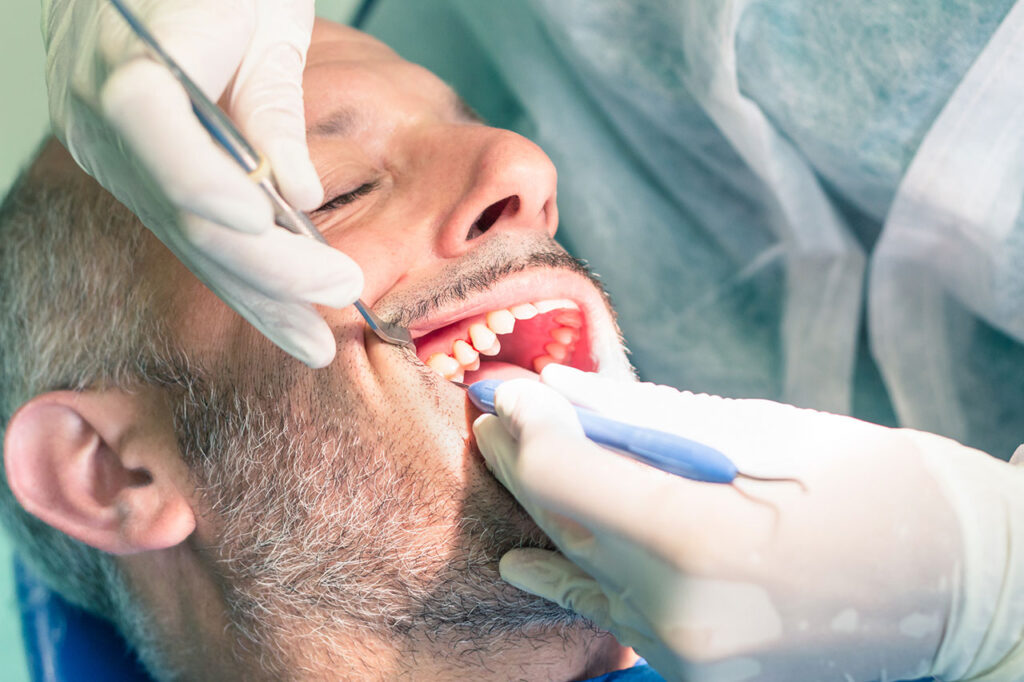
Tiny Holes, Big Consequences: A Down-to-Earth Guide to Cavities
Understanding Tooth Decay: The Basics of Cavities
Close your eyes and imagine a fortress with walls made of glittering enamel. Now picture tiny invaders—bacteria—quietly chipping away at those walls every time leftover sugars linger. So, what is a cavity? In simple terms, it’s a small, permanent hole in a tooth created by acids that weaken and dissolve enamel. When plaque (a sticky film of bacteria) meets sugars or starches, the resulting acid attack can last 20 minutes or longer. Over time, repeated attacks break down the enamel, slip into the softer dentin underneath, and carve a cavity.
Why does this matter? Unlike a scraped knee, tooth enamel does not grow back. Early detection and professional care are the only ways to halt decay and keep the damage from spreading deeper toward the nerve-rich pulp.
What Do Cavities Look Like? Spotting Trouble Early
A cavity doesn’t always announce itself with drama. At first, it may resemble a faint white spot—an area where minerals are being sapped from the enamel. As the erosion continues, what do cavities look like? They often turn light brown, then dark brown or black, depending on how much dentin is now exposed. On smooth surfaces, you might see chalky patches or pits; in deep grooves, the opening can be surprisingly small while decay fans out underneath.
Here are visual clues worth checking for during your daily routine:
- White-Chalk Lesions – Early demineralization that appears matte, not glossy.
- Brown or Black Specks – Discolored pits or fissures that don’t brush away.
- Visible Holes – A small crater you can feel with your tongue or see in the mirror under good light.
- Dark Lines Near Fillings or Crowns – Potential leakage around existing restorations needs a dental evaluation.
If you notice any of these signs, reach out to a dentist promptly. Quick treatment keeps repairs minimal and preserves more natural tooth structure.
What Do Cavities Feel Like? From Subtle Signals to Persistent Pain
Just as every person experiences a cold differently, the sensation of decay can vary. What do cavities feel like in the earliest stage? Often, there’s no feeling at all. That’s why routine check-ups and X-rays remain essential. As the lesion grows, you may notice:
- Sensitivity to Sweets, Cold, or Heat – A fleeting zing indicates exposed dentin.
- Twinges When Biting Down – Pressure can flex weakened enamel or irritate the pulp.
- A Nagging Ache – Continuous discomfort may mean the decay has reached the nerve.
- Sharp Pain Without Warning – Sudden jolts can signal an inflamed pulp or a beginning infection.
Ignoring these warnings only allows bacteria to travel deeper, potentially leading to abscesses or the need for root canal therapy.
The Everyday Benefits of Strong Dental Hygiene
Research by the American Dental Association (ADA) and the Centers for Disease Control and Prevention consistently shows that twice-daily brushing with fluoride toothpaste, daily flossing, and sensible nutrition reduce cavity risk by up to 60 %.† Good habits also lower the chance of gum disease and costly restorative work. Benefits include:
- Healthier Enamel – Fluoride strengthens the mineral matrix, making teeth more acid-resistant.
- Fresher Breath – Removing plaque limits odor-causing bacteria.
- Lower Healthcare Costs – Preventive care is far less expensive than fillings or crowns.
- Confidence in Your Smile – Clean, decay-free teeth help you speak, chew, and laugh comfortably.
Prevention and Professional Care at Ballpark Family Dental
Living in Dundee means easy access to advanced preventive services. Regular cleanings at Ballpark Family Dental remove hardened plaque (tartar) that at-home tools miss. Fluoride varnishes, sealants for molar grooves, and low-radiation digital X-rays further protect your teeth. When decay does appear, conservative fillings made from tooth-colored composite restore strength and appearance with minimal drilling.
To lower cavity odds between visits:
- Brush for Two Full Minutes – Angle the bristles toward the gumline.
- Floss or Use Interdental Brushes Daily – Break up plaque where toothbrushes can’t reach.
- Choose Water Over Sugary Drinks – Each sip of soda can restart an acid attack.
- Snack Smart – Fresh veggies, cheese, and nuts support saliva’s natural remineralizing power.
- Chew Sugar-Free Gum After Meals – Xylitol boosts saliva flow and disrupts bacterial growth.
Small Steps, Big Payoff
Cavities rarely form overnight, but they never stop on their own. Understanding what is a cavity, recognizing what do cavities look like, and listening for what do cavities feel like are three power tools in your home-care toolkit. Combine those insights with regular professional check-ups, and you’ll outsmart decay before it steals your enamel.
If you’ve spotted a suspicious spot or felt a sudden zing, don’t wait. Call Ballpark Family Dental at 734-823-5990 or visit us at 100 Powell Dr., Suite 5, Dundee, MI 48131. A quick, friendly visit today can spare you bigger repairs tomorrow—and keep your smile strong for the innings ahead.