

Dental Bridge vs Implant: Choosing the Best Option for a Missing Tooth
A single missing tooth can change your bite, your smile line, and the way neighboring teeth wear over time. Two time-tested solutions are a fixed dental bridge and a single-tooth dental implant. Both fill the space and restore chewing. The best choice depends on your anatomy, the condition of the teeth next to the gap, your timeline, and personal preferences. This side-by-side guide explains what each option involves, the benefits to consider, and how to care for your restoration long term.
What is a dental bridge?
A bridge is a non-removable restoration that spans the space with an artificial tooth called a pontic. The pontic attaches to crowns placed on the teeth next to the gap. Bridges can be made from porcelain, metal alloys, or a combination. They are cemented in place and do not come out. Because a bridge relies on adjacent teeth for support, those teeth must be strong and healthy enough to carry the load.
What is a single-tooth implant?
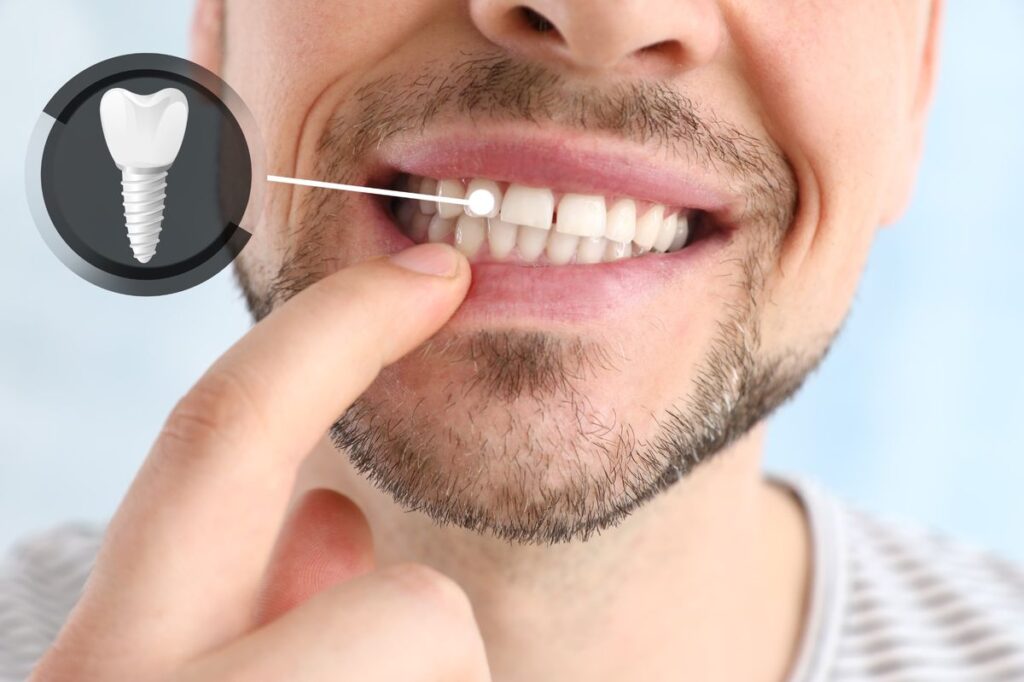
An implant replaces the full tooth structure. A small titanium post is placed in the bone where the root used to be. After healing, a custom abutment and crown are attached above the gumline. Because the implant transfers chewing forces into the jaw, it helps maintain bone volume and facial contours in that area. The teeth next door remain untouched, which can be an advantage when they are perfectly healthy.
Pros and considerations at a glance
Bridge advantages
- Faster overall timeline—often completed in a few weeks once the teeth are prepared.
- No surgery required; all steps occur above the gumline.
- Predictable aesthetics when neighboring teeth already need crowns for strength or appearance.
Bridge considerations
- Requires shaping the adjacent teeth to hold crowns.
- Cleaning involves threading floss under the pontic or using a water flosser.
- If one support tooth develops a problem, the entire bridge may be affected.
Implant advantages
- Leaves the adjacent teeth untouched.
- Helps preserve bone by stimulating the jaw during chewing.
- Often easier to floss and maintain like a natural tooth.
Implant considerations
- Includes a surgical step and a longer total timeline to allow healing.
- Requires adequate bone and healthy gums; grafting may be recommended first in some cases.
- Smoking, poorly controlled diabetes, or heavy nighttime grinding can reduce success rates.
Timeline comparison
A bridge typically takes two to three visits: preparation and scanning, a try-in if needed, and final cementation. An implant is completed in stages: planning and imaging, surgical placement, a healing phase while bone integrates with the implant, and connection of the final crown. Many patients find the staged approach straightforward, especially with a discreet temporary in place during healing.
How we help you decide
We evaluate your bite forces, gum health, bone levels, and the condition of neighboring teeth. If the adjacent teeth already need crowns due to large fillings or fractures, a bridge may be efficient and cost-effective. If those teeth are pristine and you want a standalone solution, an implant often makes the most sense. We will also review your habits, such as clenching or sports activity, and recommend protective strategies like night guards or mouthguards to prolong the life of your restoration.
Long-term care
Caring for a bridge
- Brush normally and use a floss threader or water flosser to clean under the pontic.
- Keep regular cleanings so we can polish around the margins and check the bite.
- Avoid chewing very hard objects that can chip porcelain.
Caring for an implant
- Brush and floss daily around the implant crown like a natural tooth.
- Schedule periodic checks to monitor gum health and confirm the screw and crown are secure.
- Wear a night guard if you grind, which protects both natural teeth and implant components.
Frequently asked questions
Will a bridge or implant look natural?
Yes. Modern ceramics are color-matched to your smile and shaped to fit the space. The goal is a restoration that disappears into your bite and looks like it has always belonged there.
Which lasts longer?
Either option can last many years with good care. Implants are not immune to problems, but because they do not involve the neighboring teeth, issues are often easier to address individually. Bridges are reliable, and many patients enjoy decades of service when they keep up with maintenance.
What about cost?
Costs vary based on materials, imaging needs, and whether additional procedures are recommended. We will outline the steps, appointments, and insurance estimates so you can choose with clarity and confidence.